

Japanese Conversation · Level 89
60 words
Search Japanese words as written, in romaji or by English meaning.
Dictionaries
Quick links
Browse
 MotiSpiOfficial conversation app

Japanese word
Romajinadameru
泣いている子どもをなだめます。na i te i ru ko do mo o na da me ma su
I soothe the crying child.
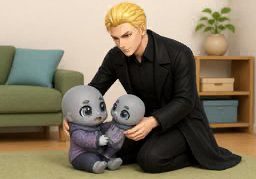
会場が騒然としたとき、係員は観客をなだめました。kai jō ga sō zen to shi ta to ki kakari in wa kan kyaku o na da me ma shi ta
When the venue became chaotic, the staff member calmed the audience.
The meaning centers on easing another person's emotional agitation until the person becomes calm and receptive.
相手をなだめるai te o na da me ru
calm the other person
子どもをなだめるko do mo o na da me ru
soothe a child
和らげるyawarageru: To make emotional distress, anger, or tension less intense.
鎮めるshizumeru: To make a person's anger or agitation subside.
あやすayasu: To calm a crying or restless child through playful attention.
慰めるnagusameru: To ease someone's sadness or pain through kind words or care.
怒りや不安で興奮している人などに働きかけ、気持ちを落ち着かせる。ika ri ya fu an de kō fun shi te i ru hito na do ni hatara ki ka ke ki mo chi o o chi tsu ka se ru
The native Japanese verb なだめる (nadameru) comes from the older verb なだむ (nadamu), meaning "to calm" or "appease", and preserves that basic sense.