

Japanese Conversation · Level 9
90 words
Search Japanese words as written, in romaji or by English meaning.
Dictionaries
Quick links
Browse
 MotiSpiOfficial conversation app

Japanese word
Romajitomoni
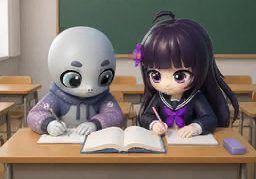
私たちはともに学びます。watashi ta chi wa to mo ni mana bi ma su
We learn together.
地域の人々はともに祭りの準備をします。chi iki no hito bito wa to mo ni matsu ri no jun bi o shi ma su
People in the community prepare for the festival together.
It presents multiple people or things as sharing one action, state, or course rather than being separate.
ともに学ぶto mo ni mana bu
learn together
ともに働くto mo ni hatara ku
work together
ともに暮らすto mo ni ku ra su
live together
一緒にisshoni: With two or more people or things acting, existing, or moving as a group.
そろってsorotte: With all members of a group present or taking the same action.
同時にdōjini: At the same time as another action, event, or state.
複数の人や物が同じ行動をしたり、同じ状態にあったりするさま。fuku sū no hito ya mono ga ona ji kō dō o shi ta ri ona ji jō tai ni a tta ri su ru sa ma
The native Japanese adverb ともに (tomoni, "together") comes from 共 (tomo, "together") plus に (ni), a particle marking association.