

JLPT · Level 110
30 words
Search Japanese words as written, in romaji or by English meaning.
Dictionaries
Quick links
Browse
 MotiSpiOfficial conversation app

Japanese word
Romajitobokeru
彼は質問されてもとぼけます。kare wa shitsu mon sa re te mo to bo ke ma su
He pretends not to know even when he is asked.
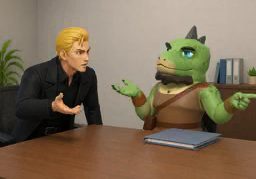
注意されても、とぼけて話をそらします。chū i sa re te mo to bo ke te hanashi o so ra shi ma su
Even when warned, he pretends not to know and changes the subject.
Describes acting unaware so that known information can be avoided or concealed.
とぼけた顔to bo ke ta kao
an innocent look
とぼけた返事to bo ke ta hen ji
an evasive reply
とぼけた態度to bo ke ta tai do
an evasive attitude
しらばっくれるshirabakkureru: To deliberately act as if one knows nothing about a matter, often to avoid responsibility.
すっとぼけるsuttobokeru: To act unaware in a blunt or playful way to avoid answering.
はぐらかすhagurakasu: To avoid answering directly by changing the subject or giving an unclear response.
知っているのに知らないふりをして、問いただされることをかわす。shi tte i ru no ni shi ra na i fu ri o shi te to i ta da sa re ru ko to o ka wa su
とぼける (tobokeru) is a native Japanese verb related to 惚ける (tobokeru), which means "to become absent-minded" or "to act foolish"; the meaning came to include pretending not to know.