

Japanese for Kids · Level 11
90 words
Search Japanese words as written, in romaji or by English meaning.
Dictionaries
Quick links
Browse
 MotiSpiOfficial conversation app

Japanese word
Romajitsuiteiku
先生の後ろについていきます。sen sei no ushi ro ni tsu i te i ki ma su
I follow my teacher.
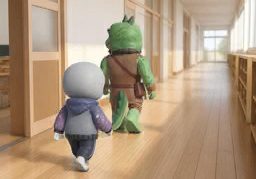
新しい話題になると、私は会話についていけません。atara shi i wa dai ni na ru to watashi wa kai wa ni tsu i te i ke ma se n
When the topic changes, I cannot keep up with the conversation.
It describes moving while staying behind or alongside another person or thing.
先生についていくsen sei ni tsu i te i ku
follow a teacher
友達についていくtomo dachi ni tsu i te i ku
go with a friend
ついてくるtsuitekuru: To come along toward a speaker or reference point while staying behind or beside a person or thing.
追うou: To follow a person or thing closely while trying to catch it or keep track of it.
人や物の後に続いて進む。hito ya mono no ato ni tsuzu i te susu mu
ついていく (tsuite iku) combines the te-form of つく (tsuku, "to attach or stay with") with いく (iku, "to go"), giving the sense of going while staying with someone.