

JLPT · Level 1
72 words
Search Japanese words as written, in romaji or by English meaning.
Dictionaries
Quick links
Browse
 MotiSpiOfficial conversation app

Japanese word
Romajitaisō
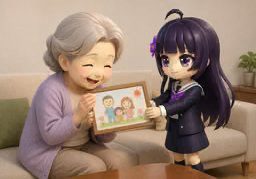
祖母はたいそう喜びました。so bo wa ta i sō yoroko bi ma shi ta
My grandmother was very pleased.
その知らせを聞いて、彼はたいそう驚きました。so no shi ra se o ki i te kare wa ta i sō odoro ki ma shi ta
He was very surprised to hear the news.
Marks a high degree of a state, quality, or reaction beyond what is ordinary.
たいそう喜ぶta i sō yoroko bu
be very pleased
たいそう驚くta i sō odoro ku
be very surprised
とてもtotemo: It expresses a high degree in everyday conversation.
非常にhijōni: It expresses an extremely high degree in formal or neutral speech and writing.
大変taihen: It expresses a very high degree in polite or formal expressions.
極めてkiwamete: It expresses an exceptionally high degree in formal written language.
ある状態や性質の程度が甚だしいことを表す。a ru jō tai ya sei shitsu no tei do ga hanaha da shi i ko to o arawa su
大層 (taisō) is a Sino-Japanese compound of 大 (tai, "great") and 層 (sō, "layer or degree"), forming an expression of great extent.