

Japanese Conversation · Level 12
90 words
Search Japanese words as written, in romaji or by English meaning.
Dictionaries
Quick links
Browse
 MotiSpiOfficial conversation app

Japanese word
Romajisudeni
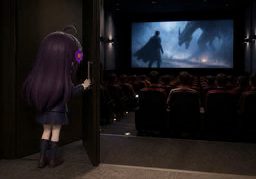
映画はすでに始まりました。ei ga wa su de ni haji ma ri ma shi ta
The movie has already started.
私はすでに朝ご飯を食べました。watashi wa su de ni asa go han o ta be ma shi ta
I have already eaten breakfast.
私はすでに宿題を終えました。watashi wa su de ni shuku dai o o e ma shi ta
I have already finished my homework.
Shows that something has happened before the relevant moment, so it is no longer pending.
すでに知っているsu de ni shi tte i ru
already know
すでに終わったsu de ni o wa tta
already finished
もうmō: Indicates in everyday conversation that an action or event has happened before the relevant time.
とっくにtokkuni: Indicates that an action or event was completed long before the relevant time.
ある時点より前に、ある事柄が実現しているさま。a ru ji ten yo ri mae ni a ru koto gara ga jitsu gen shi te i ru sa ma
The form すでに (sudeni) is made from すで (sude, "already") and the particle に (ni), which helps form adverbs.