

Japanese Conversation · Level 38
90 words
Search Japanese words as written, in romaji or by English meaning.
Dictionaries
Quick links
Browse
 MotiSpiOfficial conversation app

Japanese word
Romajishibireru
長く座ると、足がしびれます。naga ku suwa ru to ashi ga shi bi re ma su
My leg goes numb when I sit for a long time.
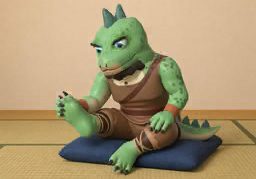
冷たい水に触れると、指先がしびれます。tsume ta i mizu ni fu re ru to yubi saki ga shi bi re ma su
My fingertips go numb when I touch cold water.
Marks the shift from ordinary feeling to numbness or pins-and-needles in part of the body.
足がしびれるまでashi ga shi bi re ru ma de
until the legs go numb
麻痺するmahisuru: To lose or greatly reduce sensation or movement in part of the body.
じんじんするjinjinsuru: To have a steady tingling sensation that continues in part of the body.
ピリピリするpiripirisuru: To feel sharp, prickling sensations in part of the body.
圧迫などによって、体の一部が感覚を失ったり、細かく刺激を感じたりする状態になる。ap paku na do ni yo tte karada no ichi bu ga kan kaku o ushina tta ri koma ka ku shi geki o kan ji ta ri su ru jō tai ni na ru
The native verb しびれる (shibireru, "become numb") is formed on the older verb しびる (shibiru, "become numb"); the modern form reflects its change to a vowel-stem conjugation.