

Japanese Conversation · Level 39
90 words
Search Japanese words as written, in romaji or by English meaning.
Dictionaries
Quick links
Browse
 MotiSpiOfficial conversation app

Japanese word
Romajisango
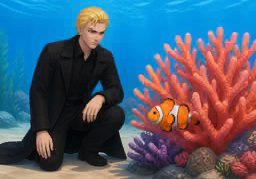
この魚はさんごの近くにいます。ko no sakana wa sa n go no chika ku ni i ma su
This fish is near the coral.
海の水温が上がると、さんごの白化が進みます。umi no sui on ga a ga ru to sa n go no hak ka ga susu mi ma su
As ocean temperatures rise, coral bleaching progresses.
Describes a living sea colony or the hard structure it builds, linking coral animals with reefs and underwater habitats.
さんご礁sa n go shō
coral reef
さんごの白化sa n go no hak ka
coral bleaching
さんごを守るsa n go o mamo ru
protect coral
海中で群体をなして生き、石灰質の骨格をつくる刺胞動物やその骨格。kai chū de gun tai o na shi te i ki sek kai shitsu no kok kaku o tsu ku ru shi hō dō butsu ya so no kok kaku
さんご (sango, "coral") comes from the Chinese-derived compound 珊瑚 (sango, "coral"); 珊 (san, "coral") and 瑚 (go, "coral") are its two written elements.