

Japanese Conversation · Level 47
90 words
Search Japanese words as written, in romaji or by English meaning.
Dictionaries
Quick links
Browse
 MotiSpiOfficial conversation app

Japanese word
Romajisaseru
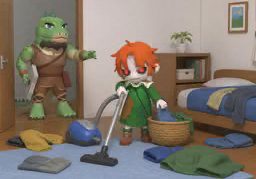
父は弟に部屋を掃除させます。chichi wa otōto ni heya o sō ji sa se ma su
My father makes my younger brother clean the room.
父は私に宿題をさせます。chichi wa watashi ni shuku dai o sa se ma su
My father makes me do my homework.
先生は学生に自由に質問させます。sen sei wa gaku sei ni ji yū ni shitsu mon sa se ma su
The teacher lets the students ask questions freely.
Places another person as the one who carries out an action, while context shows whether this means force or permission.
子どもに手伝いをさせるko do mo ni te tsuda i o sa se ru
make a child help
人に説明をさせるhito ni setsu mei o sa se ru
make someone explain
自由にさせるji yū ni sa se ru
let someone be free
やらせるyaraseru: To make another person do something, often in an everyday or informal context.
他者にある行為を行わせること。また、その行為を許すこと。ta sha ni a ru kō i o okona wa se ru ko to ma ta so no kō i o yuru su ko to
させる (saseru) is the modern causative form related to the classical auxiliaries す (su, "make do") and さす (sasu, "make do").