

Japanese Conversation · Level 12
90 words
Search Japanese words as written, in romaji or by English meaning.
Dictionaries
Quick links
Browse
 MotiSpiOfficial conversation app

Japanese word
Romajikoboreru
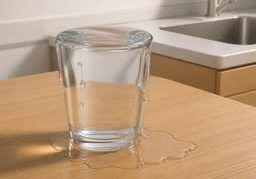
コップの水がこぼれます。ko ppu no mizu ga ko bo re ma su
Water spills from the cup.
話しているうちに本音がこぼれました。hana shi te i ru u chi ni hon ne ga ko bo re ma shi ta
While we were talking, my true feelings slipped out.
Shows that liquid or contained material leaves its proper place by flowing, falling, or overflowing without a stated agent.
涙がこぼれるnamida ga ko bo re ru
tears spill
本音がこぼれるhon ne ga ko bo re ru
true feelings slip out
言葉がこぼれるkoto ba ga ko bo re ru
words slip out
笑みがこぼれるe mi ga ko bo re ru
a smile breaks out
こぼすkobosu: To cause liquid or contained material to leave its proper place.
あふれるafureru: To flow out because a container or space cannot hold the contents.
漏れるmoreru: To escape through a crack, opening, or other unintended path.
容器などの中にあったものが、外へ流れ出たり落ち出たりする。yō ki na do no naka ni a tta mo no ga soto e naga re de ta ri o chi de ta ri su ru
The native Japanese verb こぼれる (koboreru) developed from the older verb こぼる (koboru), which referred to spilling or overflowing, and came to denote contents escaping by themselves.