

Japanese Conversation · Level 31
90 words
Search Japanese words as written, in romaji or by English meaning.
Dictionaries
Quick links
Browse
 MotiSpiOfficial conversation app

Japanese word
Romajikutabireru
長い会議でくたびれました。naga i kai gi de ku ta bi re ma shi ta
I got tired during the long meeting.
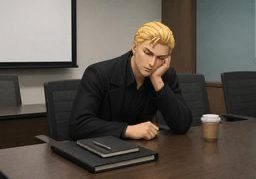
仕事の後で買い物に出かけたので、すっかりくたびれました。shi goto no ato de ka i mono ni de ka ke ta no de su kka ri ku ta bi re ma shi ta
I got very tired because I went shopping after work.
Describes losing physical or mental energy until a person feels worn out.
仕事でくたびれるshi goto de ku ta bi re ru
get tired from work
長旅でくたびれるnaga tabi de ku ta bi re ru
get tired from a long trip
すっかりくたびれるsu kka ri ku ta bi re ru
get exhausted
疲れるtsukareru: To lose physical or mental energy through effort or activity and feel tired.
疲れ果てるtsukarehateru: To become completely exhausted after prolonged effort or strain.
へばるhebaru: To become so tired from exertion that continuing becomes difficult.
心身の力を使い果たして、疲れを感じる。shin shin no chikara o tsuka i ha ta shi te tsuka re o kan ji ru
The native Japanese verb くたびれる (kutabireru) is formed from くたびる (kutabiru), an older verb meaning to become tired, with the suffix れる (reru).