

Japanese Conversation · Level 21
90 words
Search Japanese words as written, in romaji or by English meaning.
Dictionaries
Quick links
Browse
 MotiSpiOfficial conversation app

Japanese word
Romajigikochinai
彼の話し方はぎこちないです。kare no hana shi kata wa gi ko chi na i de su
His way of speaking is awkward.
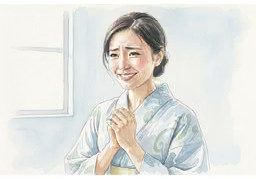
練習を重ねるうちに、最初のぎこちない動きが少しずつ自然になりました。ren shū o kasa ne ru u chi ni sai sho no gi ko chi na i ugo ki ga suko shi zu tsu shi zen ni na ri ma shi ta
As I practiced, my initially awkward movements gradually became more natural.
Describes behavior or expression that lacks natural ease and therefore seems awkward or stiff.
ぎこちない話し方gi ko chi na i hana shi kata
awkward way of speaking
ぎこちない動作gi ko chi na i dō sa
awkward movement
ぎこちない態度gi ko chi na i tai do
awkward manner
たどたどしいtadotadoshii: Lacking smoothness because of inexperience, limited skill, or unfamiliarity.
硬いkatai: Having a stiff quality in movement, facial expression, or social manner.
人の動作や話し方などが自然でなく、慣れていない感じがするさま。hito no dō sa ya hana shi kata na do ga shi zen de na ku na re te i na i kan ji ga su ru sa ma
The origin of ぎこちない (gikochinai) is uncertain; the word is recorded in the older form ぎこつない (gikotsunai), which later developed into the modern form.