

JLPT · Level 134
15 words
Search Japanese words as written, in romaji or by English meaning.
Dictionaries
Quick links
Browse
 MotiSpiOfficial conversation app

Japanese word
Romajikimariwarui
みんなの前で転んで、きまり悪いです。mi n na no mae de koro n de ki ma ri wari i de su
I fell in front of everyone, so I am embarrassed.
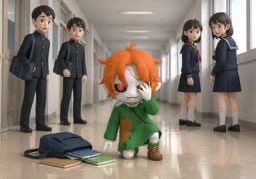
会議で意見を言い間違えて、きまり悪いです。kai gi de i ken o i i ma chiga e te ki ma ri wari i de su
I misspoke during the meeting, so I am embarrassed.
Describes feeling exposed and unable to feel at ease after a social mistake or uncomfortable situation.
きまり悪い思いをするki ma ri waru i omo i o su ru
feel embarrassed
きまり悪い顔をするki ma ri waru i kao o su ru
look embarrassed
恥ずかしいhazukashii: Feeling shame or self-consciousness because of one's actions, appearance, or situation.
気まずいkimazui: Feeling uncomfortable when tension or an awkward silence makes social interaction difficult.
気恥ずかしいkihazukashii: Feeling shy or embarrassed when attention falls on oneself or a personal matter.
人前で失敗したり不適切な振る舞いをしたりして、恥ずかしく落ち着かない気持ちになるさま。hito mae de ship pai shi ta ri fu teki setsu na fu ru ma i o shi ta ri shi te ha zu ka shi ku o chi tsu ka na i ki mo chi ni na ru sa ma
The Japanese expression きまり悪い (kimariwarui) is formed from きまり (kimari, "social propriety or composure") and 悪い (warui, "bad"), giving the sense of social discomfort.