

JLPT · Level 181
15 words
Search Japanese words as written, in romaji or by English meaning.
Dictionaries
Quick links
Browse
 MotiSpiOfficial conversation app

Japanese word
Romajikiza
あの人の話し方はきざです。a no hito no hana shi kata wa ki za de su
That person's way of speaking is affected.
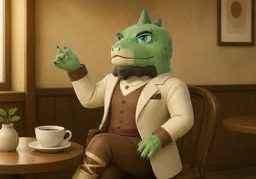
その俳優は舞台できざに構えています。so no hai yū wa bu tai de ki za ni kama e te i ma su
The actor is putting on an affected pose on stage.
Describes a deliberately refined manner that seems unnatural rather than natural or sincere.
きざな言い方ki za na i i kata
affected way of speaking
きざな態度ki za na tai do
affected attitude
きざに構えるki za ni kama e ru
strike an affected pose
言葉遣いや態度などが、気取っていてわざとらしく感じられるさま。koto ba zuka i ya tai do na do ga ki do tte i te wa za to ra shi ku kan ji ra re ru sa ma
The word comes from 気障り (kizawari, "something that feels unpleasant"), shortened to 気障 (kiza) and later associated with a showy, affected manner.