

Japanese Conversation · Level 64
75 words
Search Japanese words as written, in romaji or by English meaning.
Dictionaries
Quick links
Browse
 MotiSpiOfficial conversation app

Japanese word
Romajikarōjite
私はかろうじて試験に合格しました。watashi wa ka rō ji te shi ken ni gō kaku shi ma shi ta
I barely passed the exam.
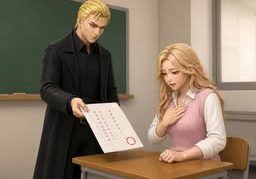
暗い部屋でも、かろうじて文字が読めます。kura i heya de mo ka rō ji te moji ga yo me ma su
Even in a dim room, I can barely read the writing.
It describes something that is achieved or remains possible only at the smallest acceptable degree and with little room to spare.
かろうじて見えるka rō ji te mi e ru
barely visible
かろうじて合格するka rō ji te gō kaku su ru
barely pass
かろうじて間に合うka rō ji te ma ni a u
barely make it on time
かろうじて聞こえるka rō ji te ki ko e ru
barely audible
ぎりぎりgirigiri: Something happens or remains possible at the closest point to failure or loss.
どうにかdōnika: By using whatever means are available, something is achieved despite difficulty.
やっとyatto: After much effort or a long wait, something finally happens or becomes possible.
危ういところで、苦労しながら、やっとのことで物事を成し遂げるさま。aya u i to ko ro de ku rō shi na ga ra ya tto no ko to de mono goto o na shi to ge ru sa ma
The adverb かろうじて (karōjite) comes from 辛うじて (karōjite), a spelling associated with the older form 辛くして (karaku shite, "with difficulty").