

Japanese Conversation · Level 29
90 words
Search Japanese words as written, in romaji or by English meaning.
Dictionaries
Quick links
Browse
 MotiSpiOfficial conversation app

Japanese word
Romajiurusai
音楽がうるさいです。on gaku ga u ru sa i de su
The music is loud.
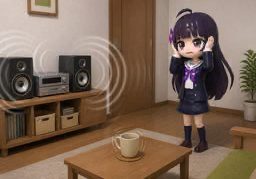
となりの教室はうるさいです。to na ri no kyō shitsu wa u ru sa i de su
The classroom next door is noisy.
窓を閉めても、外の車の音がうるさいです。mado o shi me te mo soto no kuruma no oto ga u ru sa i de su
Even with the window closed, the sounds of cars outside are loud.
Presents a sound as excessively noticeable because it is loud or disturbs the surrounding quiet.
うるさい声u ru sa i koe
loud voice
やかましいyakamashii: Describes a loud or persistent sound that causes strong annoyance.
騒がしいsawagashii: Describes a place or situation filled with noticeable noise and activity.
音や声の勢いが強く、静けさを妨げるさま。oto ya koe no ikio i ga tsuyo ku shizu ke sa o samata ge ru sa ma
The Japanese adjective うるさい (urusai) developed from the older form うるさし (urusashi), whose meanings included noisy and troublesome.