

Japanese Conversation · Level 37
90 words
Search Japanese words as written, in romaji or by English meaning.
Dictionaries
Quick links
Browse
 MotiSpiOfficial conversation app

Japanese word
Romajiutsumuku
失敗したので、彼はうつむきました。ship pai shi ta no de kare wa u tsu mu ki ma shi ta
Because he failed, he hung his head.
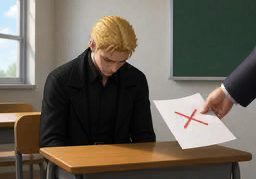
考え込むようにうつむいて、しばらく黙っていました。kanga e ko mu yō ni u tsu mu i te shi ba ra ku dama tte i ma shi ta
They bowed their head as if deep in thought and stayed silent for a while.
The word describes a downward movement of the face that can be either a neutral change in posture or a visible sign of feeling.
うつむいて歩くu tsu mu i te aru ku
walk with one's head down
深くうつむくfuka ku u tsu mu ku
bow one's head deeply
うなだれるunadareru: To let the head droop, usually because of sadness, shame, or defeat.
顔や頭を下に向ける。落ち込んだり恥じたりして頭を垂れる。kao ya atama o shita ni mu ke ru o chi ko n da ri ha ji ta ri shi te atama o ta re ru
The native Japanese verb うつむく (utsumuku) is the modern form of うつぶく (utsubuku), an older verb meaning "to face downward"; its earlier components are not securely known.