

Japanese Conversation · Level 5
87 words
Search Japanese words as written, in romaji or by English meaning.
Dictionaries
Quick links
Browse
 MotiSpiOfficial conversation app

Japanese word
Romajiiya
いや、違います。i ya chiga i ma su
No, that's not right.
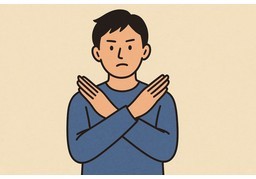
いや、まだ決めていません。i ya ma da ki me te i ma se n
No, I haven't decided yet.
いや (iya) marks a speaker's rejection of a statement, suggestion, or situation.
いや、結構ですi ya kek kō de su
No, thank you
いいえiie: A polite interjection used to give a negative answer or reject a statement.
ううんūn: An informal interjection used to give a negative answer or show disagreement.
いやいやiyaiya: An interjection used to strongly reject a statement or correct a misunderstanding.
相手の言葉や提案を打ち消し、そうではないという気持ちを表す語。ai te no koto ba ya tei an o u chi ke shi sō de wa na i to i u ki mo chi o arawa su go
The interjection いや (iya, "no") comes from a native Japanese word meaning 嫌 (iya, "unpleasant"), linking refusal with rejection.