

Japanese Conversation · Level 33
90 words
Search Japanese words as written, in romaji or by English meaning.
Dictionaries
Quick links
Browse
 MotiSpiOfficial conversation app

Japanese word
Romajiatakamo
彼はあたかも何も知らないかのように話します。kare wa a ta ka mo nan mo shi ra na i ka no yō ni hana shi ma su
He speaks as if he knows nothing.
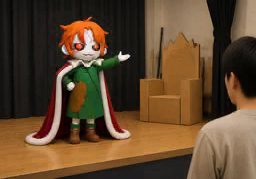
彼はあたかも自分が王様であるかのように振る舞います。kare wa a ta ka mo ji bun ga ō sama de a ru ka no yō ni fu ru ma i ma su
He acts as if he were a king.
It makes an imagined resemblance sound like the situation being described, while leaving the difference between the two understood.
あたかも本当であるかのようにa ta ka mo hon tō de a ru ka no yō ni
as if it were true
あたかも夢のようにa ta ka mo yume no yō ni
as if it were a dream
まるでmarude: It emphasizes a strong resemblance to another situation or thing.
さながらsanagara: It portrays a person or thing as having the same appearance or character as another.
さもsamo: It presents an imagined state as though it were genuine, often suggesting deliberate pretense.
本当の状態ではないものを、そうであるようにたとえて示すさま。hon tō no jō tai de wa na i mo no o sō de a ru yō ni ta to e te shime su sa ma
あたかも (atakamo) has a recorded history in Classical Japanese, but no secure analysis of its parts is established; 恰も (atakamo) is a semantic spelling linked to the sense "just as".