

JLPT · Level 110
30 words
Search Japanese words as written, in romaji or by English meaning.
Dictionaries
Quick links
Browse
 MotiSpiOfficial conversation app

Japanese word
Romajiazawarau
彼らはその考えをあざ笑いました。kare ra wa so no kanga e o a za wara i ma shi ta
They ridiculed the idea.
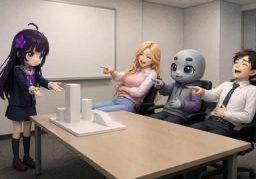
人前で他人をあざ笑ってはいけません。hito mae de ta nin o a za wara tte wa i ke ma se n
You must not ridicule others in public.
Treats a person, idea, or action as laughable in order to show scorn.
相手をあざ笑うai te o a za wara u
ridicule one's opponent
弱さをあざ笑うyowa sa o a za wara u
mock someone's weakness
失敗した人をあざ笑うship pai shi ta hito o a za wara u
ridicule someone who failed
嘲るazakeru: To show contempt by making someone or something the object of mockery.
嘲笑するchōshōsuru: To express scorn by laughing at a person, idea, or action.
冷笑するreishōsuru: To respond with a cold, scornful laugh or remark.
揶揄するyayusuru: To make fun of a person or idea through indirect or playful mockery.
人や考えなどを、価値がないものとして笑いものにする。hito ya kanga e na do o ka chi ga na i mo no to shi te wara i mo no ni su ru
The native verb あざ笑う (azawarau) combines あざける (azakeru, "to mock") and 笑う (warau, "to laugh"), expressing scornful laughter.