


English–Japanese
“simple” in Japanese
How to say “simple” in Japanese
“Simple” in Japanese is 単純 (tanjun).
Points to a direct, uncomplicated structure that can be understood without much explanation.
Example sentences with 単純
初心者には単純な説明のほうが分かりやすいです。sho shin sha ni wa tan jun na setsu mei no hō ga wa ka ri ya su i de su
For beginners, a simple explanation is easier to understand.
Tips for using 単純
- In everyday conversation, 単純な (tanjun na) can mean "simple" in structure or "naive" in judgment, so context shows whether the meaning is positive or critical.
Other Japanese words for “simple”
簡易な手続きで申し込めます。kan i na te tsuzu ki de mō shi ko me ma su
You can apply using a simple procedure.
彼の考えは素朴です。kare no kanga e wa so boku de su
His idea is simple.
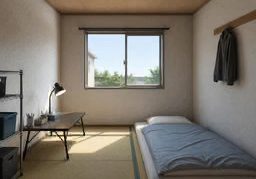
私の部屋は簡素な作りです。watashi no heya wa kan so na tsuku ri de su
My room has a simple design.
デザインはシンプルです。de za i n wa shi n pu ru de su
The design is simple.