


English–Japanese
“relative” in Japanese
How to say “relative” in Japanese
“Relative” in Japanese is 親戚 (shinseki).
親戚 (shinseki) refers to a person linked to someone through family ties by birth or marriage.
Example sentences with 親戚
冬休みに親戚に会います。fuyu yasu mi ni shin seki ni a i ma su
I meet my relatives during winter break.
遠くに住む親戚から手紙が届きました。tō ku ni su mu shin seki ka ra te gami ga todo ki ma shi ta
A letter arrived from a relative who lives far away.
Tips for using 親戚
- English relative can describe either a family connection or a comparison, but 親戚 (shinseki) is used only for a family connection.
Other Japanese words for “relative”

絶対と相対の違いを考えます。zet tai to sō tai no chiga i o kanga e ma su
I think about the difference between the absolute and the relative.

私は親類に手紙を書きます。watashi wa shin rui ni te gami o ka ki ma su
I write a letter to a relative.
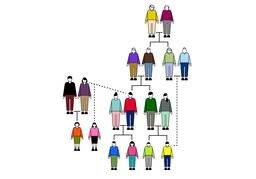
親族がこの町に住んでいます。shin zoku ga ko no machi ni su n de i ma su
Relatives live in this town.