


English–Japanese
“defeat” in Japanese

How to say “defeat” in Japanese
“Defeat” in Japanese is 敗北 (haiboku).
Describes the state or event in which one side fails to overcome the other in a contest, struggle, or conflict.
Example sentences with 敗北
監督は試合後、敗北の責任を認めました。kan toku wa shi ai go hai boku no seki nin o mito me ma shi ta
The coach acknowledged responsibility for the defeat.
Tips for using 敗北
- Japanese uses 敗北 (haiboku) as a noun, whereas English defeat serves as both a noun and a verb, so the Japanese word does not directly fill the verb slot.
Other Japanese words for “defeat”

勇者は敵を討ちます。yū sha wa teki o u chi ma su
The hero defeats the enemy.
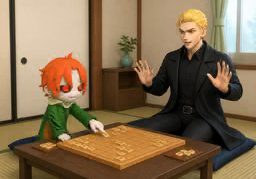
彼は将棋で兄を負かしました。kare wa shō gi de ani o ma ka shi ma shi ta
He defeated his brother at shogi.