


English–Japanese
“balance” in Japanese

How to say “balance” in Japanese
“Balance” in Japanese is 均衡 (kinkō).
均衡 (kinkō) conveys a stable relationship in which different elements counterbalance one another.
Example sentences with 均衡
家計では収入と支出の均衡を保つことが重要です。ka kei de wa shū nyū to shi shutsu no kin kō o tamo tsu ko to ga jū yō de su
Maintaining a balance between income and spending is important in a household budget.
Tips for using 均衡
- In economic writing, 均衡 (kinkō) often describes a condition reached when different market forces match, making it more formal than everyday words for balance.
Other Japanese words for “balance”

口座の残高を確認します。kō za no zan daka o kaku nin shi ma su
I check my account balance.

自転車に乗るときは、バランスを取ります。ji ten sha ni no ru to ki wa ba ra n su o to ri ma su
I keep my balance when riding a bicycle.
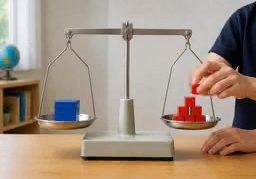
左右の重さが釣り合います。sa yū no omo sa ga tsu ri a i ma su
The weights on both sides balance.