

German Conversation · Level 109
45 words
Search German words by spelling or English meaning.
Dictionaries
Quick links
Browse
 MotiSpiOfficial conversation app

German word
IPA/ɪʁiˈtiːʁən/
Seine Frage irritierte mich.
His question confused me.
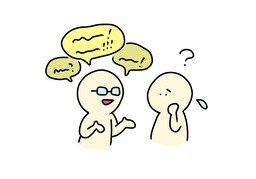
Die widersprüchlichen Aussagen irritierten die Zuhörer.
The contradictory statements confused the audience.
An unexpected remark knocks someone's mental bearings off course without necessarily making that person angry.
sich von einer Bemerkung irritieren lassen
be confused by a remark
jemanden mit einer Bemerkung irritieren
confuse someone with a remark
verwirren: Obscure how things fit together, making sound judgment difficult.
verunsichern: Take away someone's sense of certainty about a decision or position.
stören: Break up and impede the flow of work or conversation.
etwas oder jemand bringt eine Person in Unsicherheit oder verwirrt sie, meist ohne starke Ärgerreaktion
The learned German verb irritieren derives from Latin irritare, 'to provoke or stimulate', with German usage extending to causing confusion or unease.