

German Conversation · Level 24
90 words
Search German words by spelling or English meaning.
Dictionaries
Quick links
Browse
 MotiSpiOfficial conversation app

German word
IPA/ˈɛːʁa/
Die Ära der Digitalisierung verändert den Alltag.
The digital era is changing everyday life.
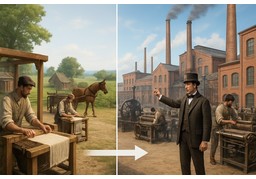
Nach dem Krieg begann eine neue Ära des politischen Wandels.
After the war, a new era of political change began.
A long stretch of history marked by a powerful person, institution, or major social change.
eine neue Ära
a new era
die Ära der Digitalisierung
the era of digitization
das Ende einer Ära
the end of an era
Epoche: A historical period defined by particular events, styles, or lasting characteristics.
Periode: A defined span of time during which an event or condition continues.
Zeitalter: A long historical age characterized by a technology, idea, or other defining force.
Phase: A stage in a change or series of events, often lasting a relatively short time.
Ära (f.) eine längere, klar abgegrenzte historische Periode, die durch prägende Personen, Institutionen oder tiefgreifende gesellschaftliche Veränderungen charakterisiert ist.
German Ära comes through Latin aera, a term for a system of reckoning years, and developed the meaning of a defined historical period.